Noobenheim News for Nerds
 We now have virtual reality, NASA-developed AI with futuristic helmets, and biometric security. The future is now!
Not quite. Biometric scanners can easily be fooled and aren’t quite as foolproof as we might be led to believe. A team of researchers from the University of North Carolina showed some major flaws in most facial recognition software. The researchers took twenty volunteers and collected photos from public online sources, just as a true identity thief would do, and created 3D models using the facial patterns found from those images. After a bit of manipulation, they showed the security systems the synthetic models on their phones and could successfully bypass some facial recognition software.
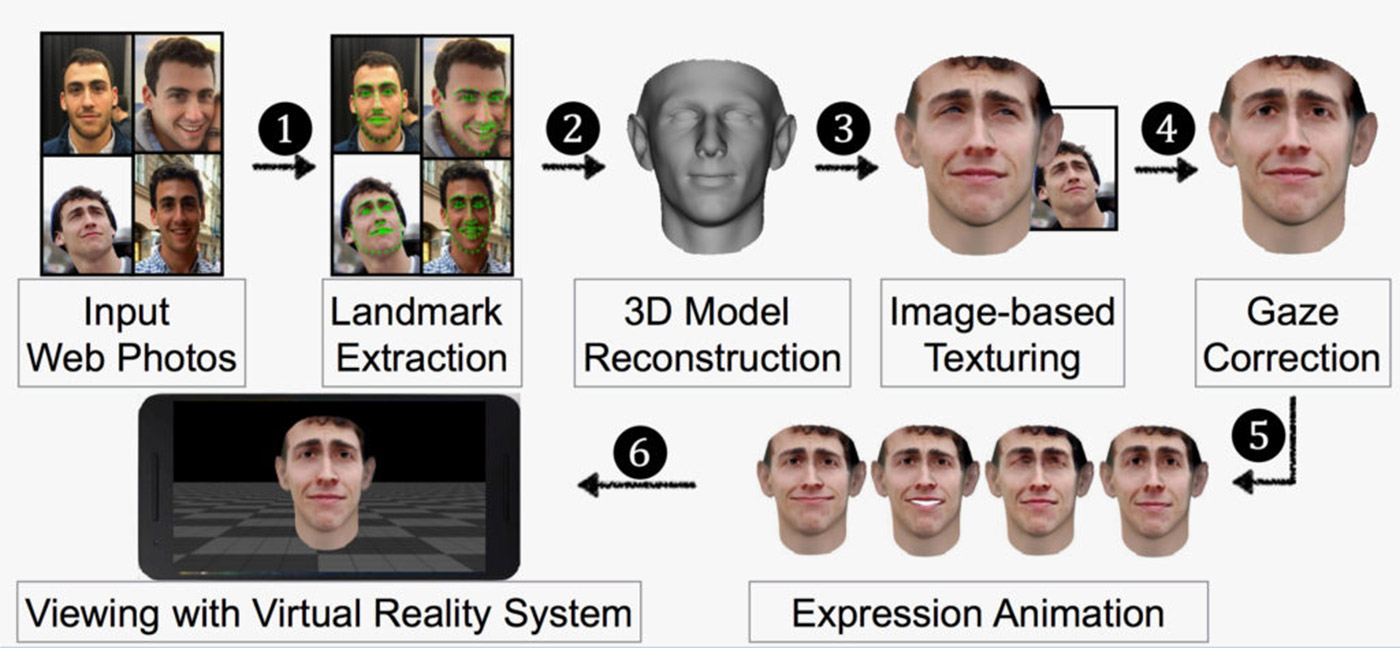
Some of the volunteers were also security researchers and the team from the University of North Carolina were only able to dig up low-quality photos online. Yet even with those low-pixel images, the researchers could derive enough features to fool the security programs. When the researchers couldn’t find images of the entire face, they would recreate those parts adding in shadows and texturing.
Out of the five systems tested – Mobius, KeyLemon, TrueKey, BioID, and 1D – the researchers were able to successfully bypass the security with success rates between 55% and 85%. This is staggeringly bad news as a Visa Europe report shows that 68% of customers want to use biometrics as a method of authentication.
This doesn’t mean the idea of biometrics used in security is dead. The technology is just in its infancy and needs to be further developed. Systems will need to start rejecting these low-resolution textures to make sure the image is a real person. They will also have to use better cameras, particularly ones with infrared sensors to detect the trace amounts of infrared we emit. One last feature would be to include detection of skin tone fluctuations to check the pulse of the person.
If you would like to read the paper published by the team, “Virtual U: Defeating Face Liveness Detection by Building Virtual Models from Your Public Photos”, they uploaded a copy to Wired here.