Noobenheim News for Nerds
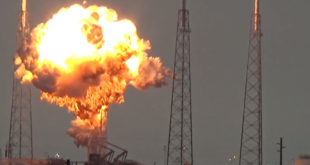
United Launch Alliance’s Vulcan rocket failed during its November 15, 2026, mission, destroying 40 Amazon Leo broadband satellites, according to The Verge. The flight was supposed to begin Amazon’s series of 38 purchased Vulcan launches, making the loss a setback for both the rocket and the satellite internet network it was carrying.
ULA said the vehicle experienced an anomaly 10 minutes into flight and did not deliver its payload to orbit, The Verge reported. The company said the cause was unclear and promised transparency during its investigation.
The incident was ULA’s first total mission failure since its formation in 2006, according to Ars Technica. Vulcan’s four previous flights reached orbit, although two encountered solid rocket booster failures that prompted lengthy reviews before flights resumed.
What Went Wrong Remains Unconfirmed
The rocket lifted off from Cape Canaveral Space Force Station in Florida at 12:40 p.m. ET, according to Gizmodo. Its six solid rocket boosters appeared to operate normally, but the sequence that followed has drawn scrutiny.
Ars Technica reported, citing multiple sources, that the problem originated in Vulcan’s main booster stage. That reporting remains unconfirmed by ULA: Ars could not establish whether the issue involved the two Blue Origin BE-4 engines, the equipment supplying their propellant, or another component.
Those engines continued firing for at least 30 seconds beyond their expected shutdown. The outlet said that could indicate the stage was trying to compensate for underperformance; it does not establish the cause of the failure.
A broadcast animation driven by rocket telemetry then showed Vulcan beginning to spin after the main engines shut down. The rotation continued through separation of the Centaur V upper stage, whose engines appeared to attempt a course correction.
A Bigger Problem Than One Lost Payload
For fans following alternatives to Starlink, the concern extends beyond replacing these satellites. According to The Verge, Amazon Leo has deployed only a small portion of the spacecraft needed to challenge SpaceX’s network, and this mission was meant to open a substantial new launch commitment.
Amazon nevertheless stood behind its launch partner. In a statement, the company acknowledged launch risks and said it believed ULA would learn from the mission and fulfill its longer-term Vulcan plans.
The consequences also extend to military launches. The U.S. Space Force had already suspended Vulcan national security flights following an earlier booster incident in February, and that Sunday’s mission was intended to demonstrate readiness for regular operations. Further delays are likely, the outlet reported.
ULA’s next step is to identify the cause, determine corrective action and work toward returning Vulcan to flight, according to its statement. The company promised additional information as its investigation progresses; that investigation will determine the path toward Amazon’s next Vulcan launch.